



Neurokinin Receptor
NK receptor; Tachykinin receptor
There are three main classes of neurokinin receptors: NK1R (the substance P preferring receptor), NK2R, and NK3R. These tachykinin receptors belong to the class I (rhodopsin-like) G-protein coupled receptor (GPCR) family. The various tachykinins have different binding affinities to the neurokinin receptors: NK1R, NK2R, and NK3R. These neurokinin receptors are in the superfamily of transmembrane G-protein coupled receptors (GPCR) and contain seven transmembrane loops. Neurokinin-1 receptor interacts with the Gαq-protein and induces activation of phospholipase C followed by production of inositol triphosphate (IP3) leading to elevation of intracellular calcium as a second messenger. Further, cyclic AMP (cAMP) is stimulated by NK1R coupled to the Gαs-protein. The neurokinin receptors are expressed on many cell types and tissues.
Neurokinin Receptor Isoform Specific Products
All Product Categories
-
Neurokinin Receptor Inhibitors
(23)
View all products
-
Neurokinin Receptor Agonists
(41)
View all products
-
Neurokinin Receptor Antagonists
(156)
View all products
-
Neurokinin Receptor Activator
(1)
View all products
-
Neurokinin Receptor Modulators
(7)
View all products
-
Neurokinin Receptor Controls
(3)
View all products
-
Neurokinin Receptor Related Products (279)
Related Products (279)

-
Antibodies (4)
-
Neurokinin Receptor Isoform Comparison
-
SB-222200
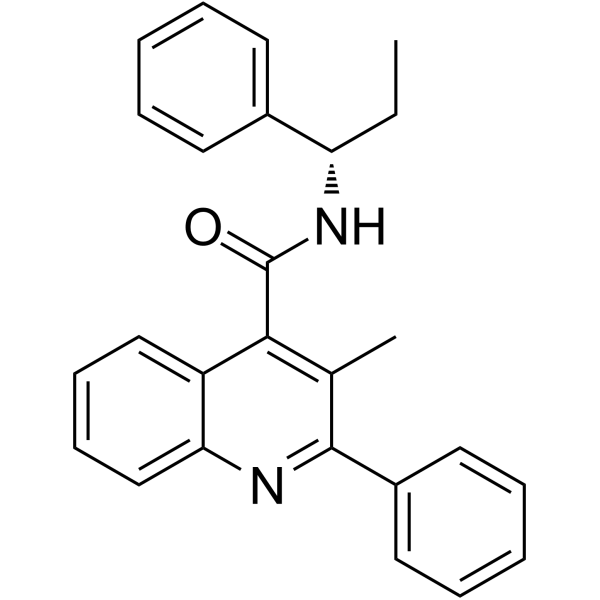 0 ImagesSB-222200 is a potent, selective, orally active and blood-brain barrier (BBB) penetrant NK-3 receptor antagonist. SB-222200 is developed for central nervous system (CNS) disorders.
-
GR-73632
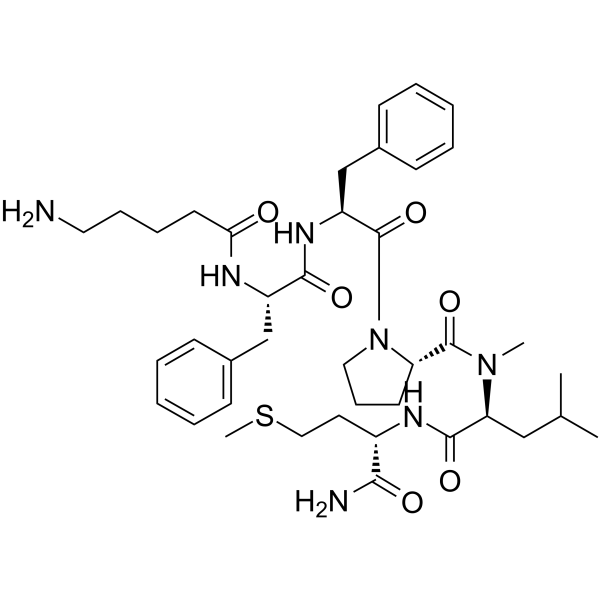 0 ImagesGR-73632 is a tachykinin NK1 receptor agonist. GR-73632 activates spinal NK1 receptors to induce scratching, biting and licking behaviors. GR-73632 activates peripheral NK1 receptors to trigger lacrimation in guinea pigs, and activates central NK1 receptors to induce repetitive hind paw tapping behavior in gerbils. GR-73632 is applicable to research related to pruritus.
-
Esmolol hydrochloride
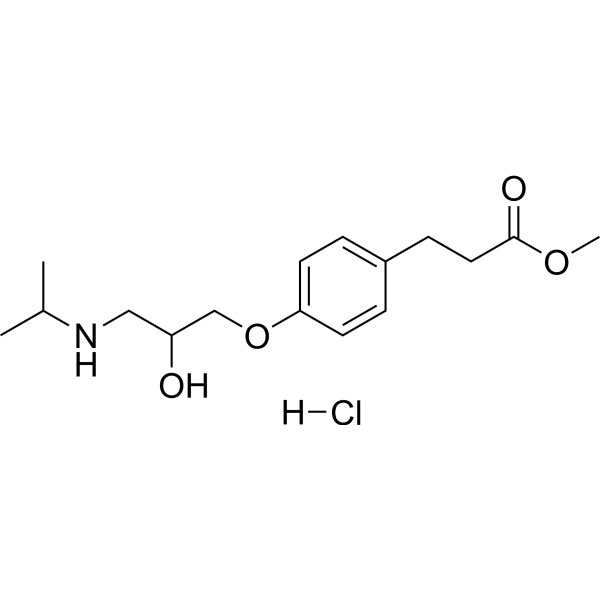 0 ImagesEsmolol hydrochloride is an ultra-short-acting cardioselective β1-adrenergic blocker. Esmolol hydrochloride exerts its antiarrhythmic effect by activating Neurokinin 1 Receptor. Esmolol hydrochloride attenuates post resuscitation myocardial dysfunction. Esmolol hydrochloride improves diabetic wound healing by inhibiting aldose reductase and the production of advanced glycation end products and promoting fibroblast migration. Esmolol hydrochloride can be used to study cardiac diseases such as arrhythmias and diabetic foot ulcers.
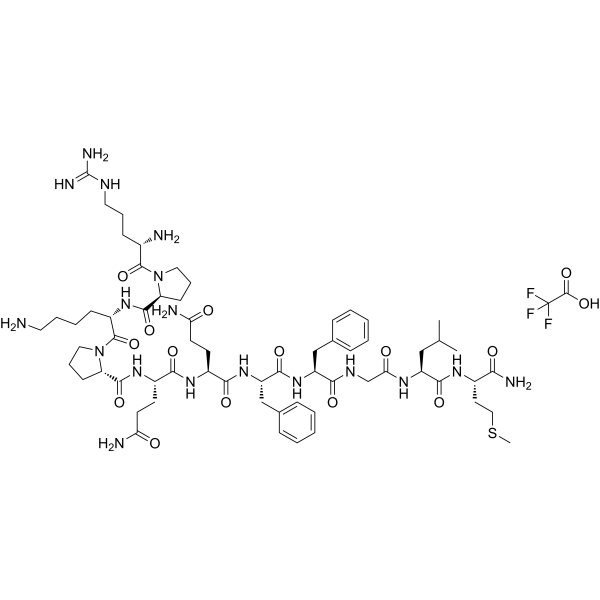
-
Talnetant
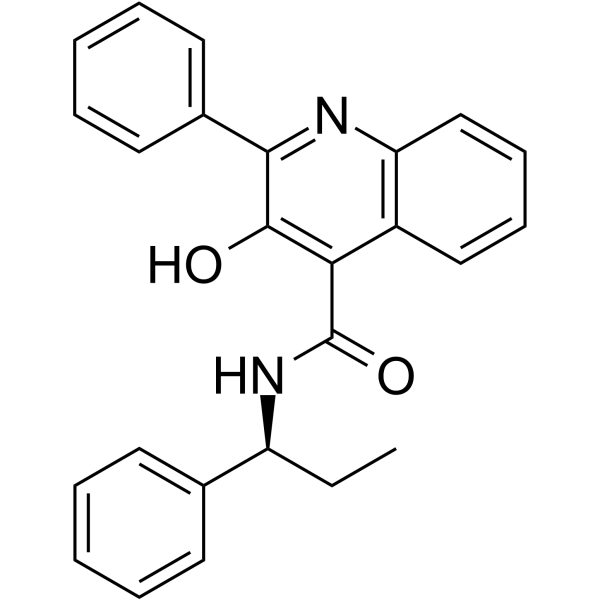 0 ImagesSynonyms: SB 223412Talnetant (SB 223412) is a selective, competitive, brain-permeable NK3 receptor antagonist with a Ki of 1.4 nM in hNK-3-CHO cells. Talnetant is 100-fold more selective for hNK-3 relative to the hNK-2 receptor and has no affinity for hNK-1. Talnetant can be used in schizophrenia-related studies.
-
L-732138
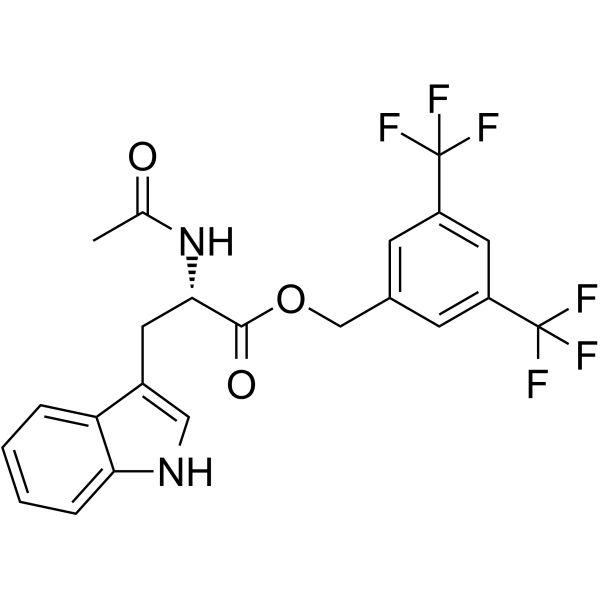 0 ImagesL-732138 is a selective, potent and competitive neurokinin-1 (NK-1) receptor antagonist with an IC50 of 2.3 nM. L-732138 has 200-fold more potent in cloned human NK-1 receptors than cloned rat NK-1 receptors, and has > 1000-fold more potent than human NK-2 and NK-3 receptors. L-732138 can reduce hyperalgesia and has antitumor action.
-
Neurokinin B
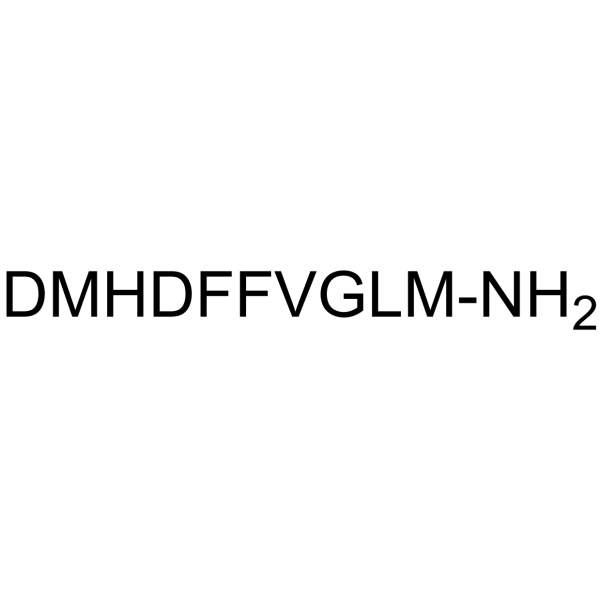 0 ImagesNeurokinin B is a tachykinin family peptide that preferentially binds to and activates NK3R over other tachykinin receptors. Neurokinin B preferentially binds to the substance P receptor (SP-N receptor) and mediates acetylcholine release from cholinergic neurons. Neurokinin B regulates the pulsatile release of Kisspeptin and GnRH, stimulates or inhibits the secretion of luteinizing hormone (HY-P2293), regulates reproductive function via metabolic signals, and drives the onset of puberty. Neurokinin B exerts vasoactive effects and induces contraction of isolated guinea pig ileum. Neurokinin B can be used in studies related to hypogonadotropic hypogonadism.
-
Osanetant
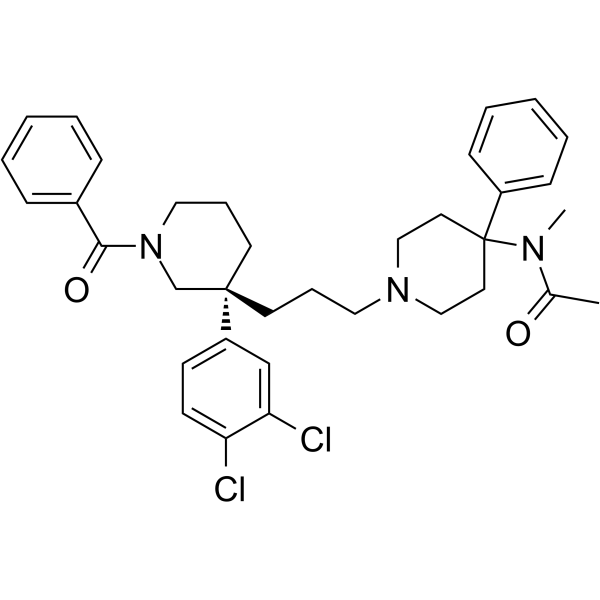 0 ImagesSynonyms: SR142801Osanetant (SR142801) is a selective NK3 receptor antagonist. Osanetant produces anxiolytic- and antidepressant-like effects and is researched for schizophrenia.
-
Eprazinone dihydrochloride
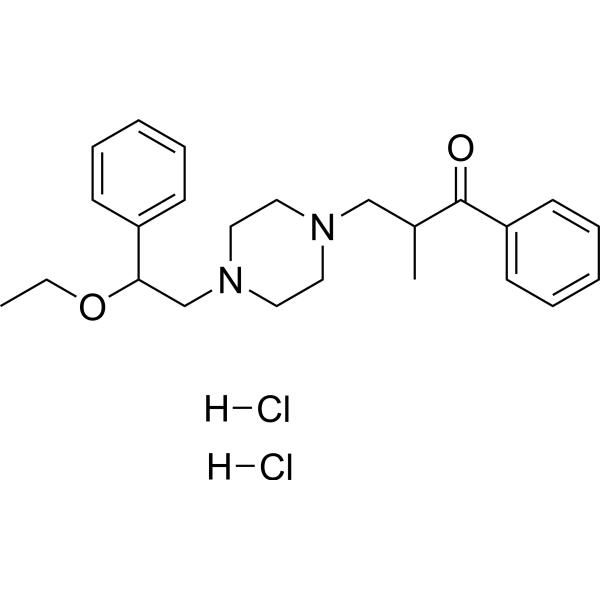 0 ImagesEprazinone dihydrochloride is a gent with mucolytic, secretolytic, antitussive, and bronchial antispasmodic properties. Eprazinone dihydrochloride is a neurokinin 1 receptor (NK1R) ligand. Eprazinone dihydrochloride has the potential for chronic bronchitis treatment that improved pulmonary function and arterial partial pressure of oxygen.
-
GR 159897
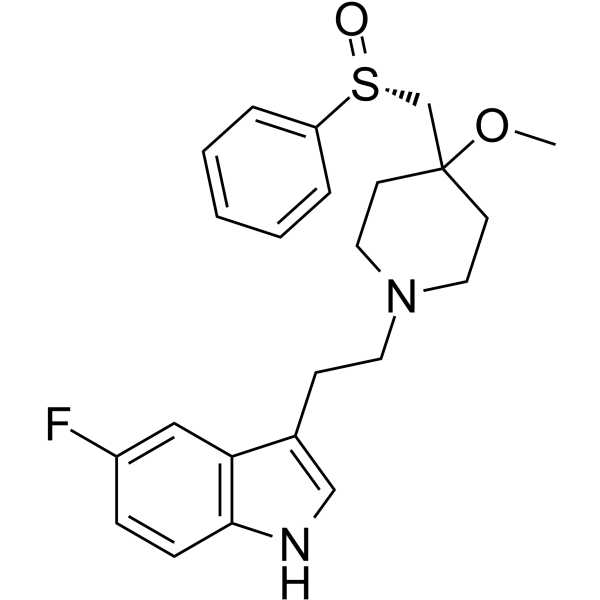 0 ImagesGR 159897 is a highly potent, selective, competitive, brain-penetrated non-peptide neurokinin 2 (NK2) receptor antagonist. GR 159897 has little or no affinity for NK1 and NK3 receptors. GR 159897 inhibits binding of [3H]GR100679 to human NK2 (hNK2)-CHO cells and rat colon membranes with pKis of 9.51 and 10, respectively. Antagonizes bronchoconstriction. Anxiolytic-like and anti-tumor effects.
-
Vapreotide
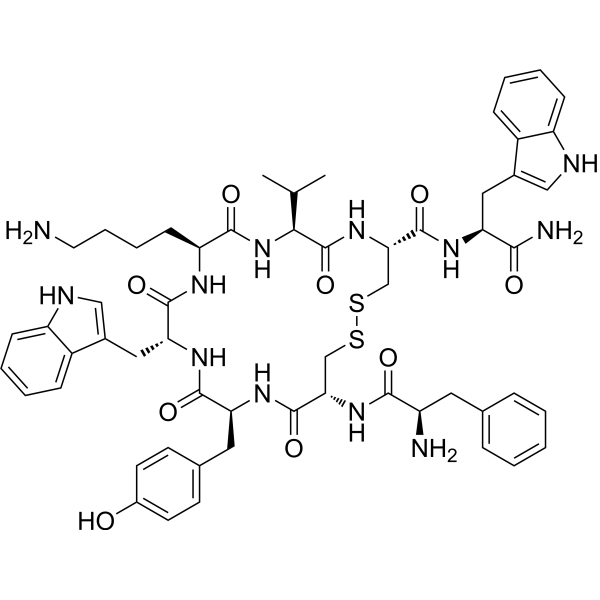 0 ImagesSynonyms: RC160; BMY 41606Vapreotide is a neurokinin-1 (NK1) receptor antagonist, with an IC50 of 330 nM.
-
Orvepitant maleate
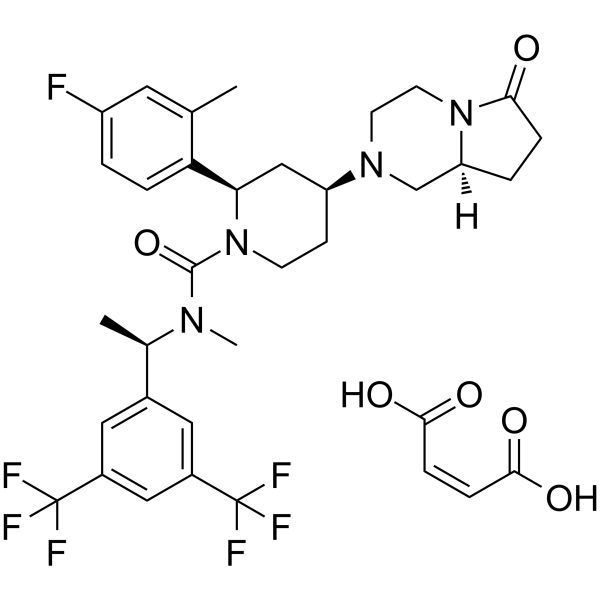 0 ImagesSynonyms: GW823296 maleateOrvepitant maleate (GW823296 maleate) is potent, selective, orally active and well-tolerated neurokinin-1 receptor (NK-1) antagonist with a pKi of 10.2 for human neurokinin-1 receptor. Orvepitant maleate can across the blood-brain barrier. Orvepitant maleate has the potential for depressive disorder and chronic refractory cough (CRC) treatment.
-
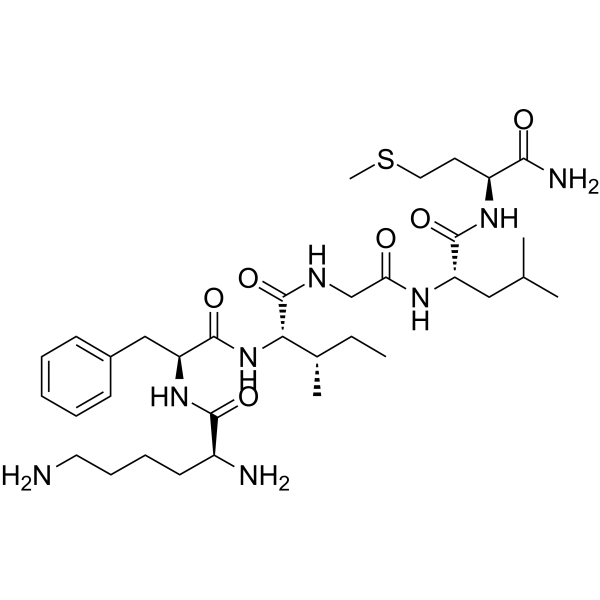
Neurokinin A TFA
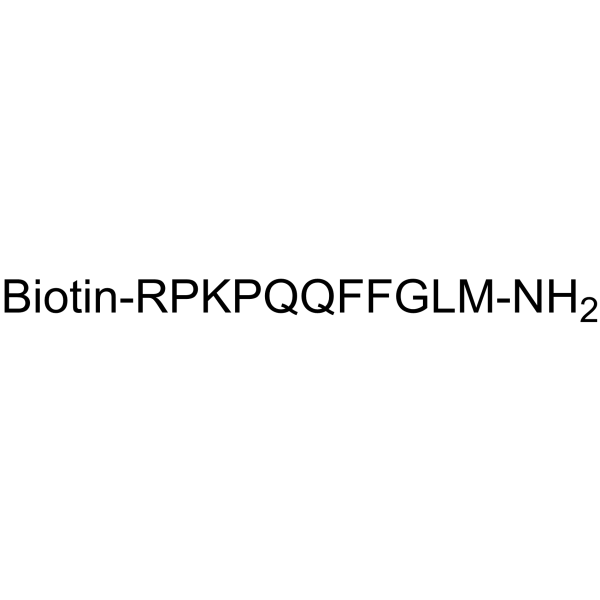
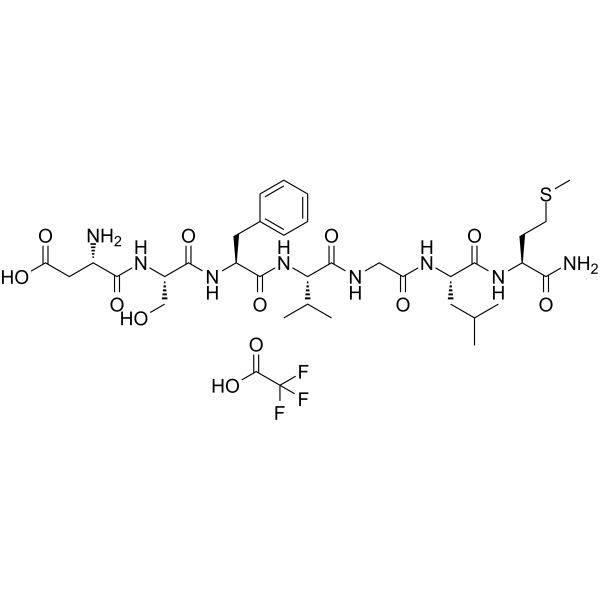
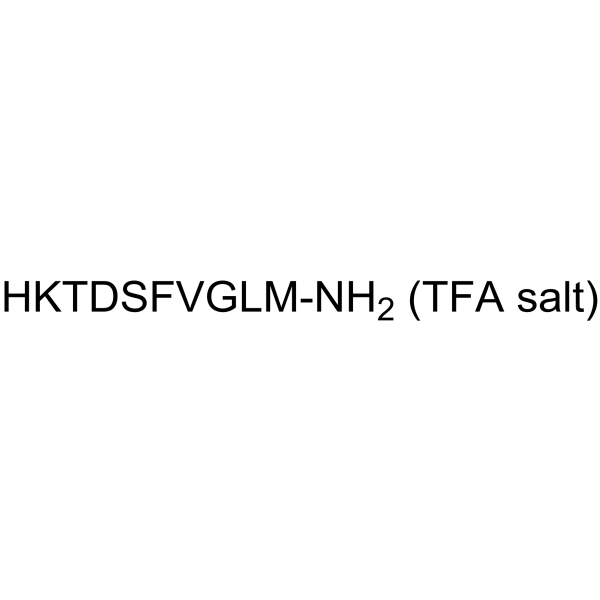 0 ImagesSynonyms: Substance K TFA; Neurokinin α TFA; Neuromedin L TFA; NKA TFANeurokinin A TFA (Substance K TFA), a peptide neurotransmitter of the tachykinin family, acts via the NK-2 receptor. Neurokinin A acts as a major mediator in human airway and gastrointestinal tissues.
-
Substance P(1-7) TFA
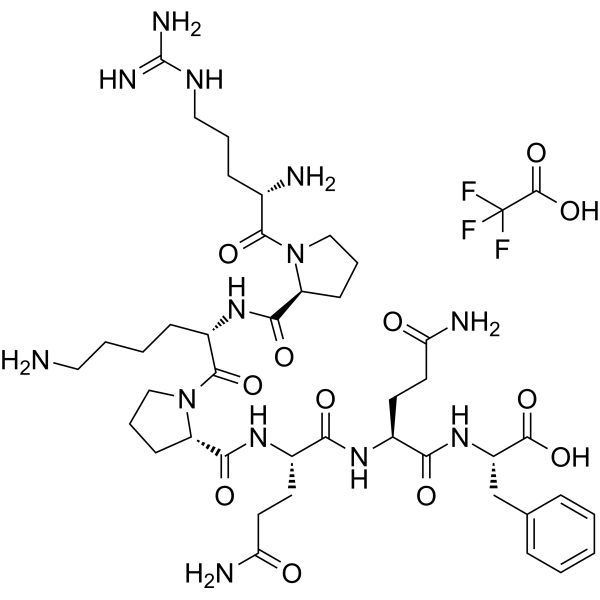 0 ImagesSubstance P(1-7) TFA is a fragment of the neuropeptide, substance P (SP). Substance P(1-7) TFA gives depressor and bradycardic effects when applied to the nucleus tractus solitarius.
-
Spantide II
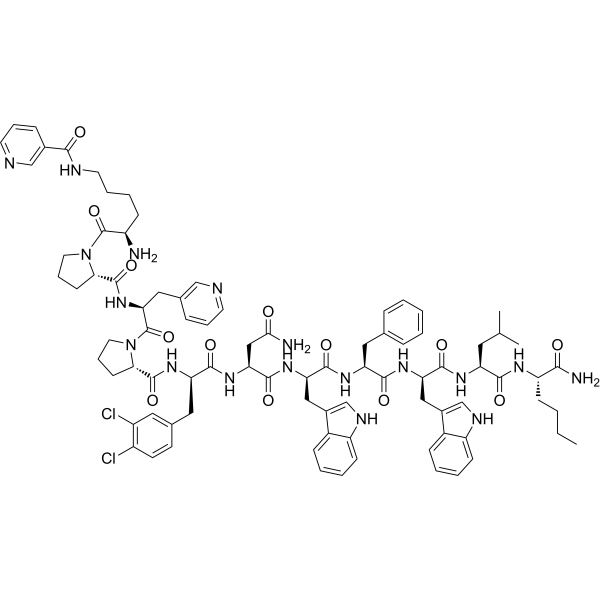 0 ImagesSpantide II, an undecapeptide substance P (SP) analog, is a potent neurokinin-1 receptor (NK-1R) antagonist. Spantide II binds with NK-1R and blocks proinflammatory activities associated with SP. Spantide II can be used in the research of inflammatory skin disorders, such as psoriasis and contact dermatitis.
![[Sar9,Met(O2)11]-Substance P](https://file.medchemexpress.com/product_pic/hy-p1012.gif "Click to View [Sar9,Met(O2)11]-Substance P Product Detail")




